
Đang tải...

At ANFAST168, we understand that the quality of a mechanical product – especially high-force hand tools like pliers, or machine blank parts – originates from the billet creation technology. By investing in and mastering a synchronized hot forging (die forging) production line, ANFAST168 proudly delivers forged blanks and hand tools with high fatigue strength, superior mechanical properties, and minimal dimensional tolerance.
Below is a close-up of the hot forging process currently operating at the ANFAST168 factory:
The first and most critical step determining the metallurgical structure of the product is the billet heating process. At ANFAST168, we do not use traditional combustion methods but apply electromagnetic induction heating technology.
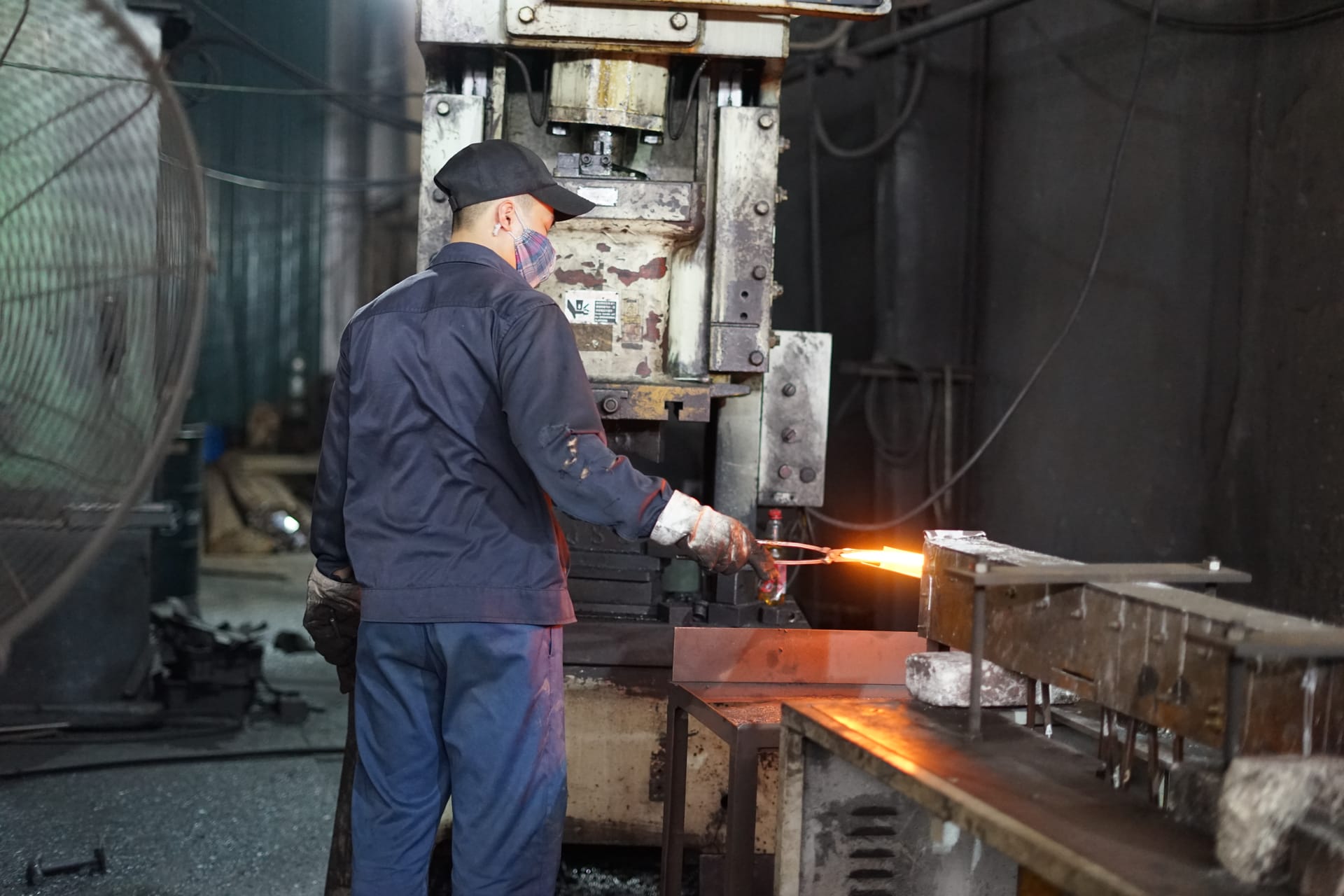
After reaching standard forging temperature, the billet is immediately transferred to high-capacity forging machines. This is where raw material "transforms" into sharp pliers or complex blanks.
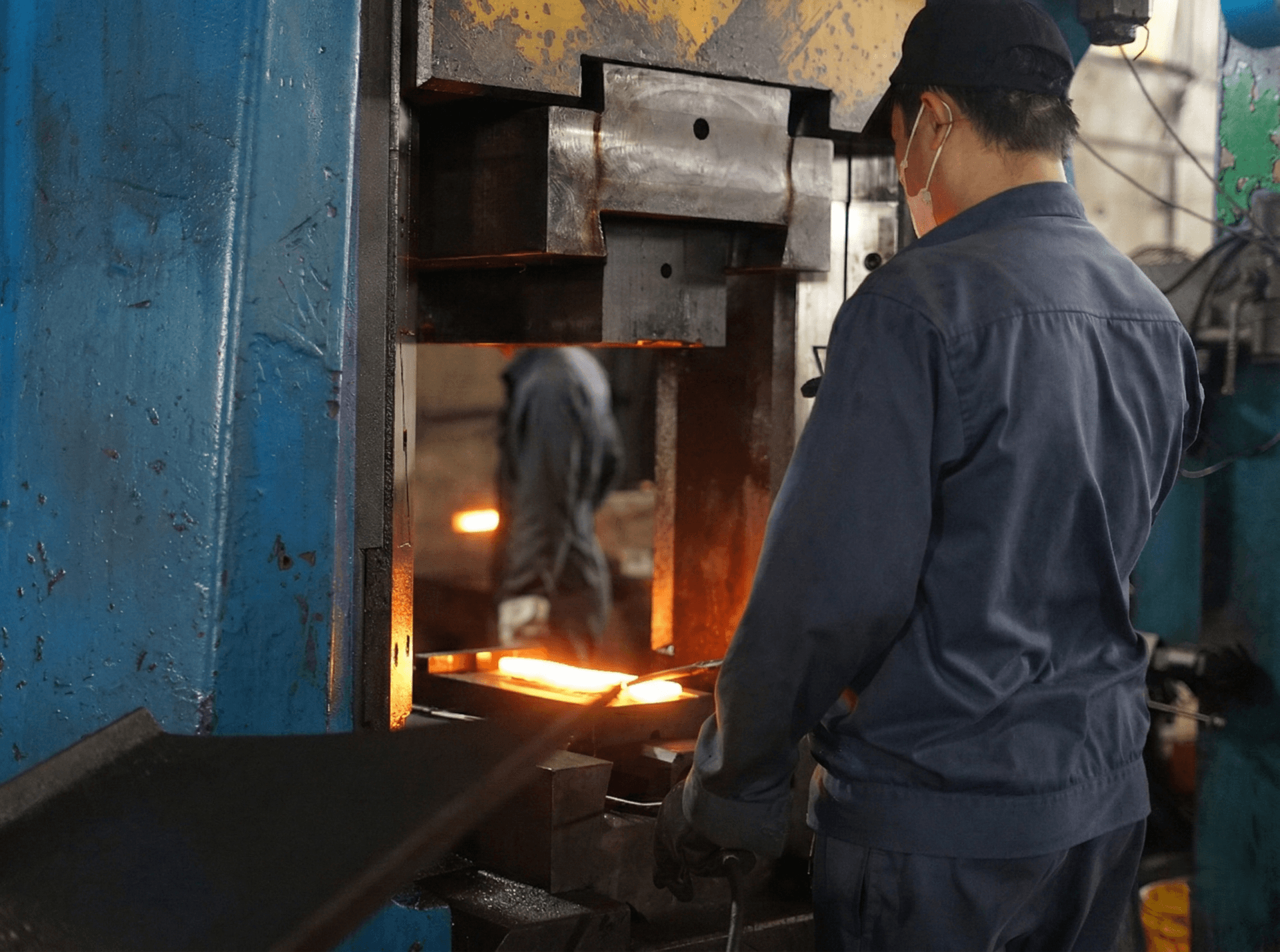
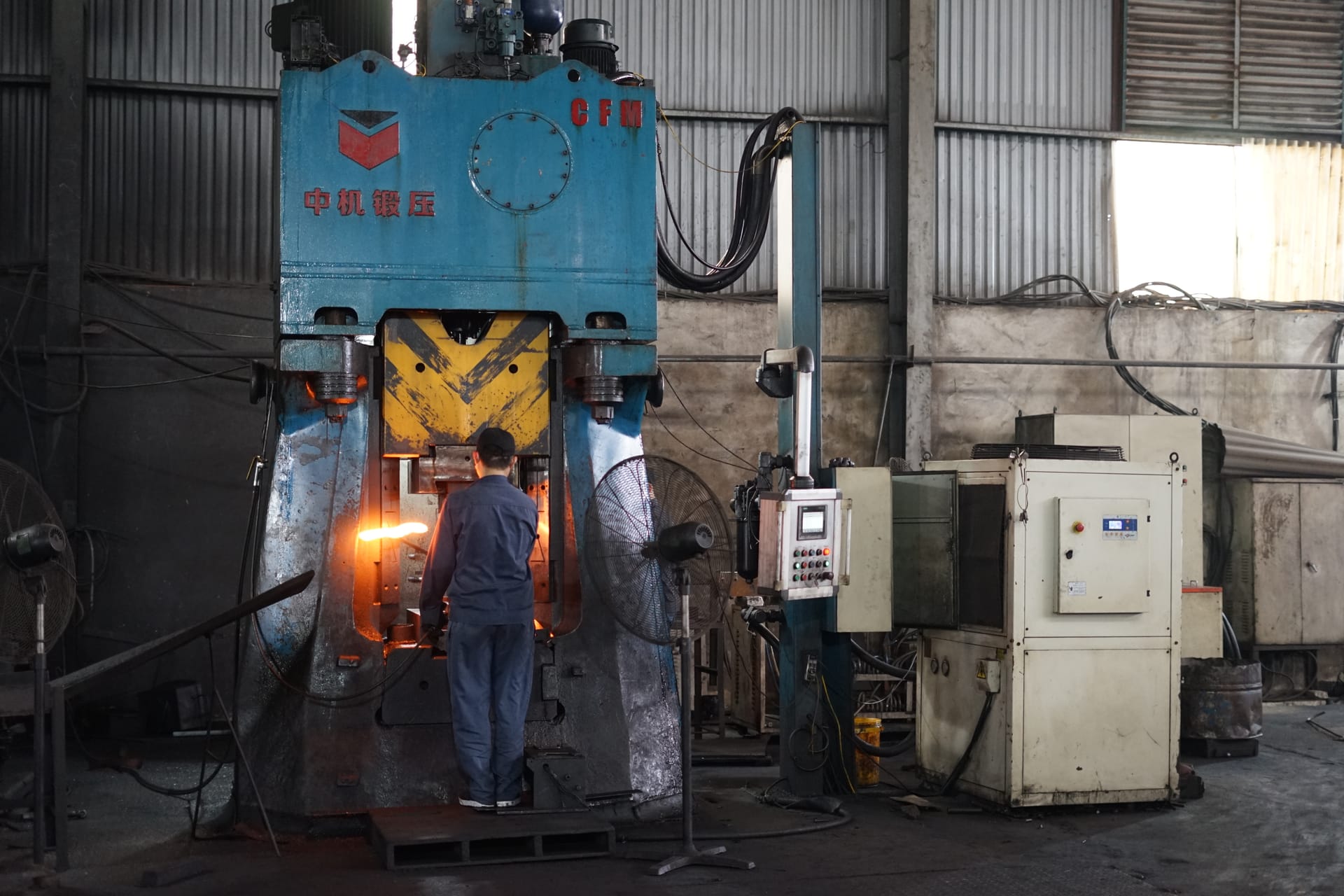
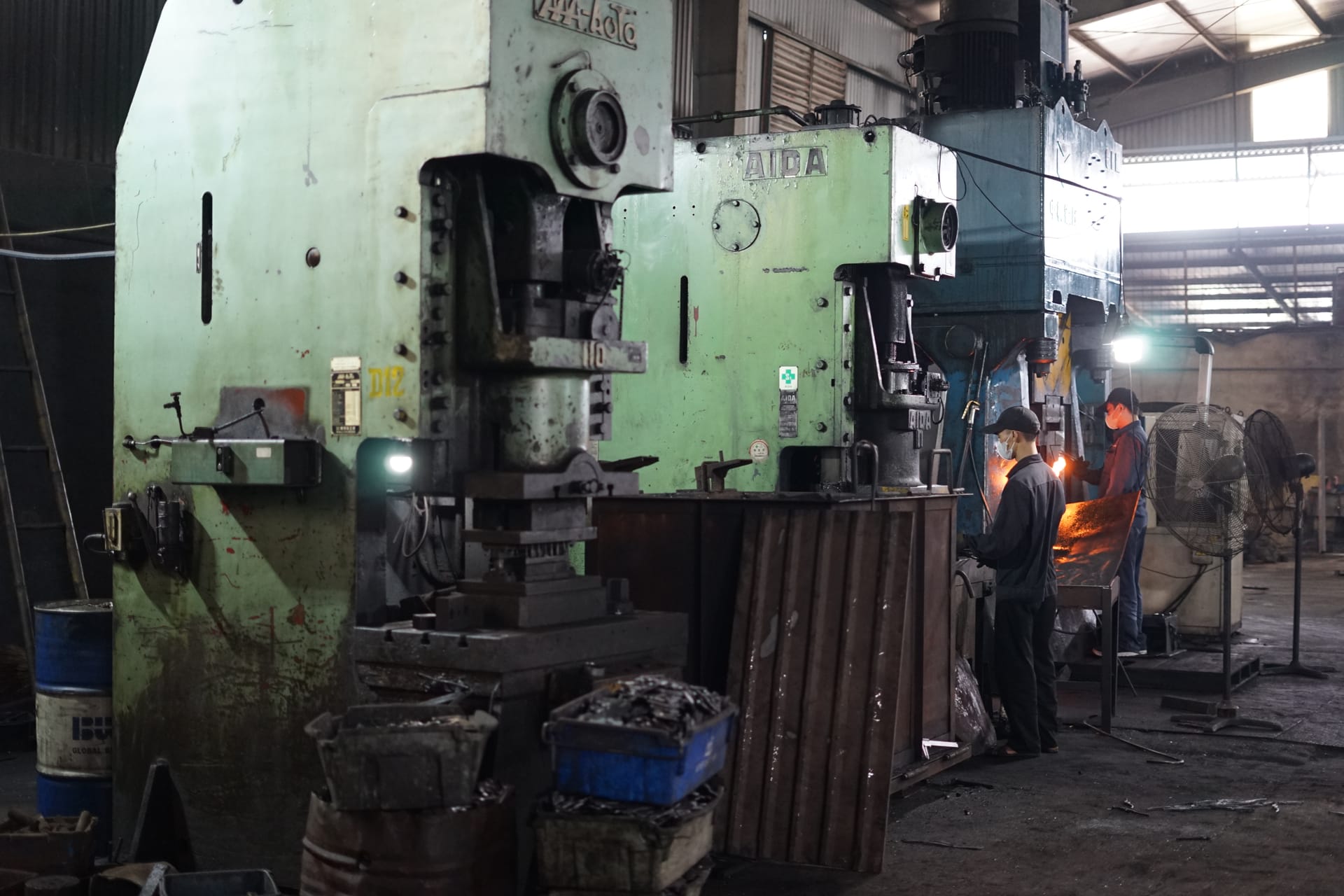
After die forging, excess metal overflowing from the die cavity (called flash or burr) is retained to create counter-pressure for complete die filling. The final step in the billet creation cycle is removing this flash rim.
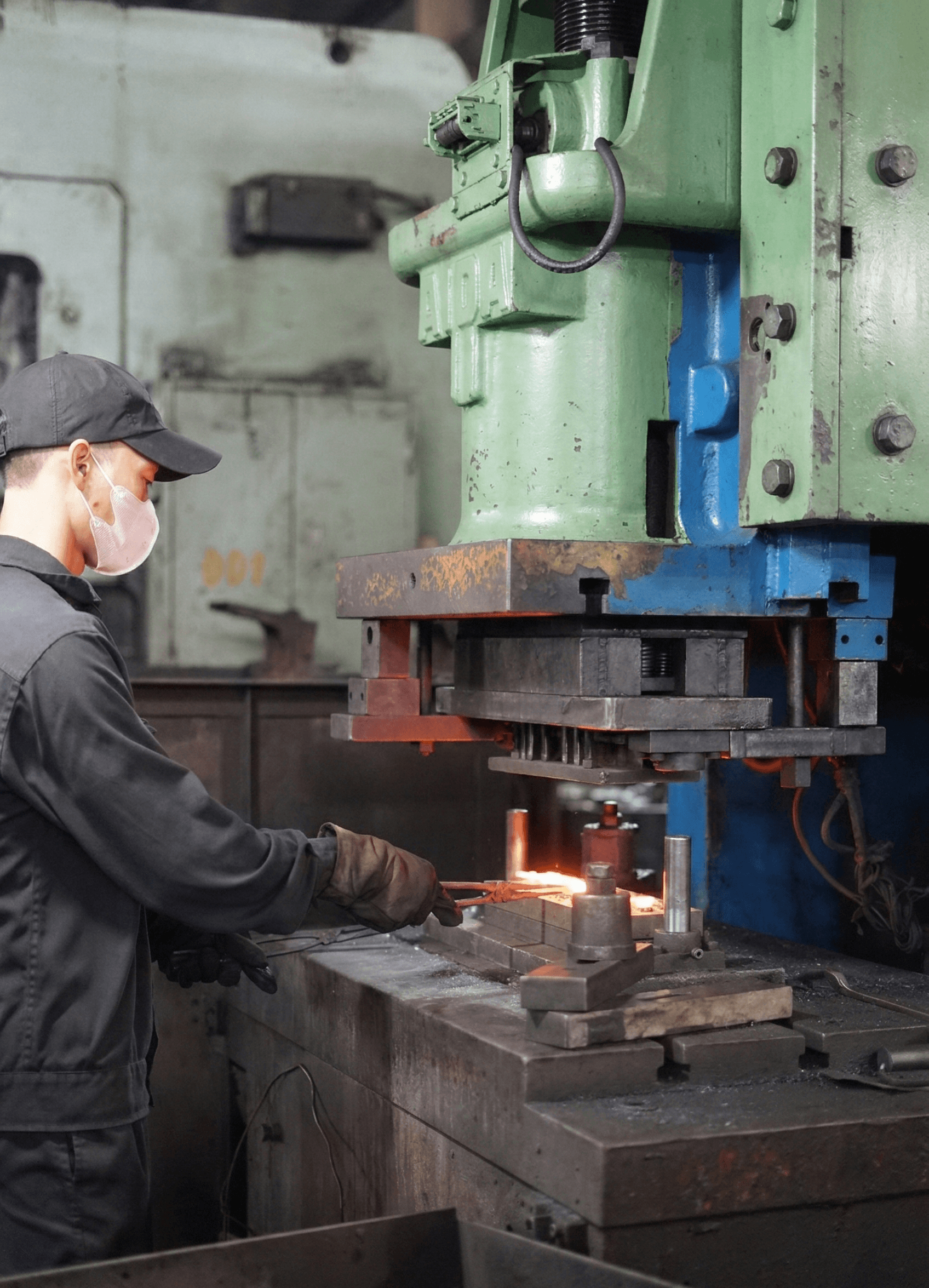
The combination of high-capacity equipment, strict temperature control processes, and precision tooling enables ANFAST168 to confidently master the input billet source. Whether consumer pliers, industrial pliers, or custom blanks per technical drawings, we are committed to delivering the highest quality and consistency to our partners.
To create an industrial-standard plier – sharp, smooth to operate, and able to withstand high cutting forces without chipping – hot-forged blanks are just the beginning. At ANFAST168, every plier must undergo a precise machining cycle and rigorous heat treatment.
We invite our valued customers to discover the meticulous craftsmanship behind ANFAST168 branded hand tools:
The joint (plier pin) is the soul of every plier. It determines whether the opening/closing operation is smooth and whether the two jaws become loose when subjected to strong impact force.
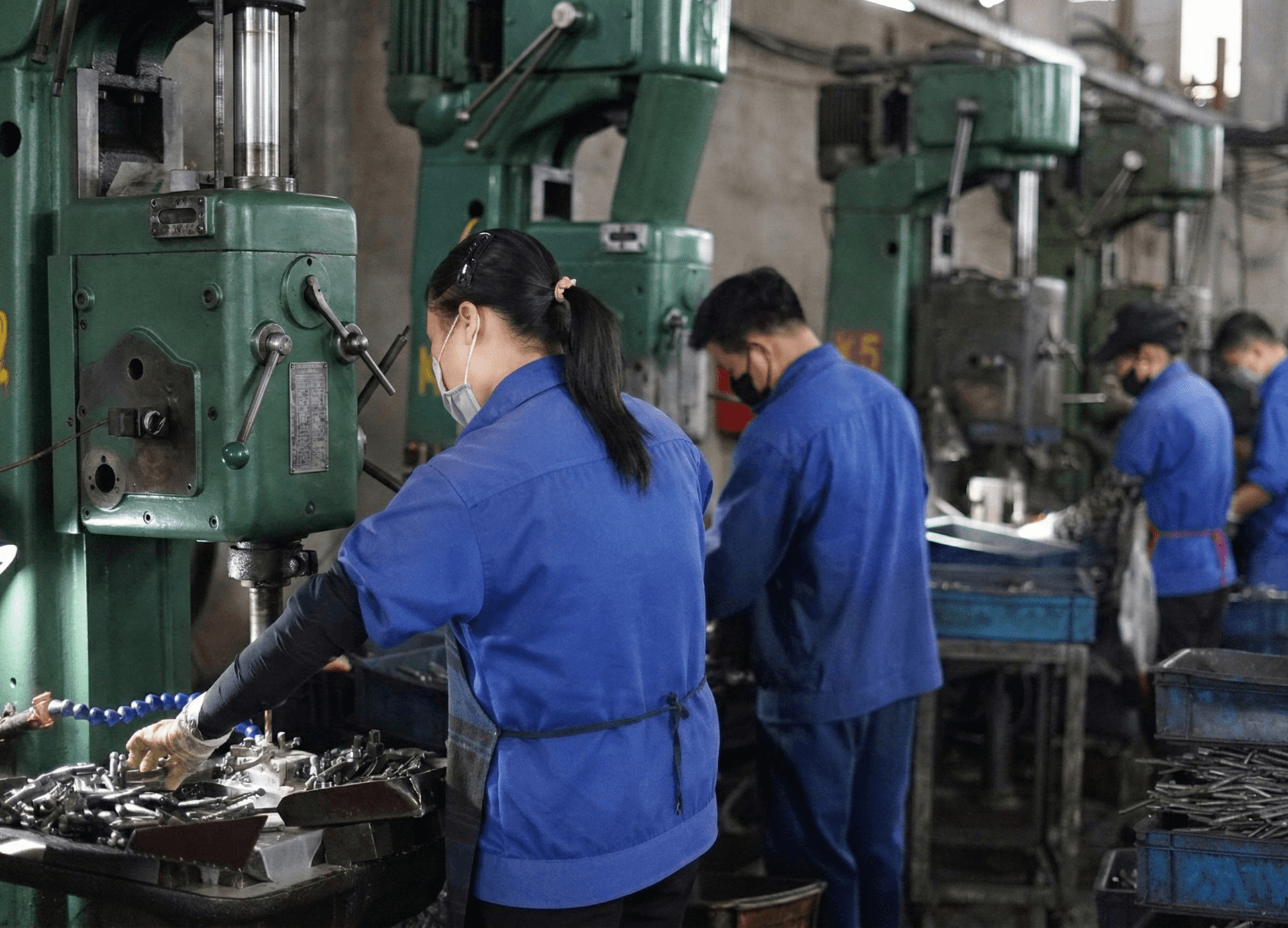
After cleaning, the blank is placed on a specialized jig for axis hole drilling. This process requires absolute concentricity so that when the two halves of the plier are assembled, they operate smoothly and fit tightly.
After having the pin hole as a reference point, the blank continues to be machined to shape the most critical details.
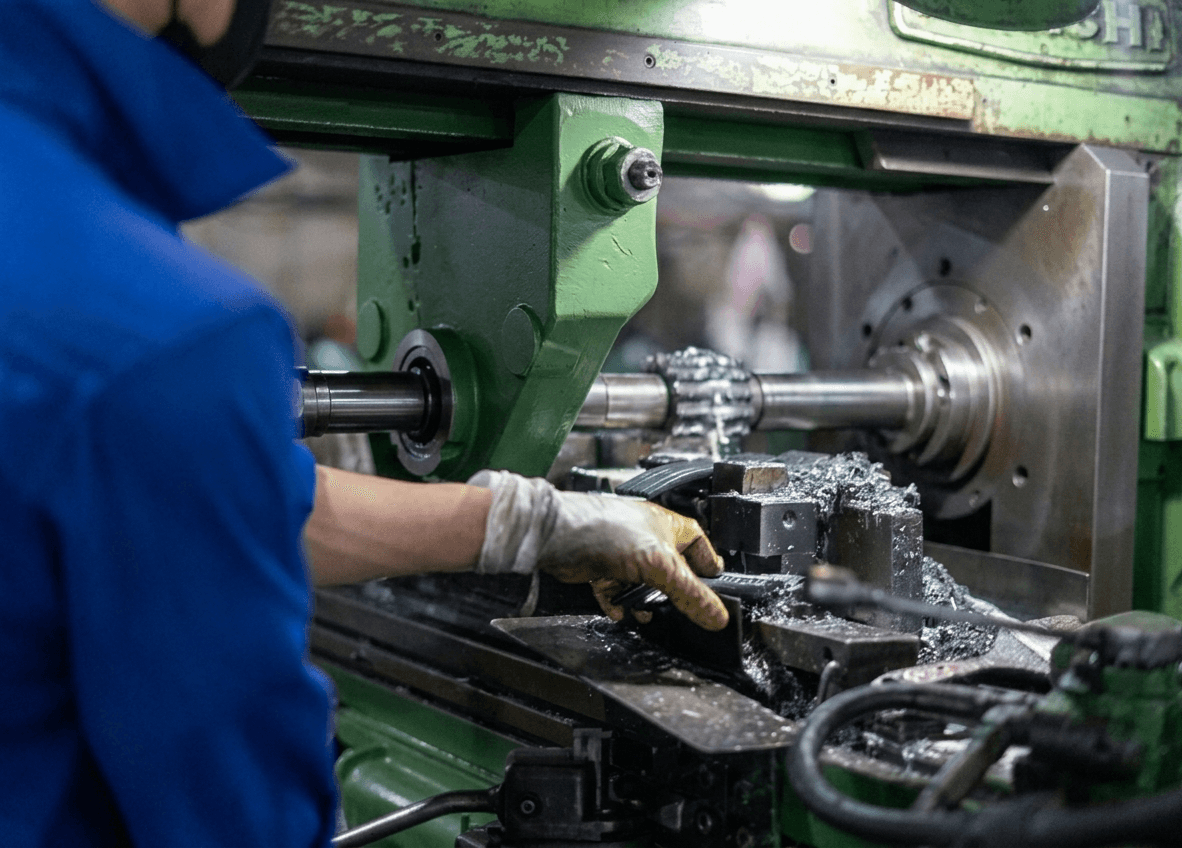
Using specialized milling and grinding systems, the plier jaws (where materials are clamped) and serrated grooves are precisely shaped. Careful calculations at this stage ensure the plier has firm clamping force and maximum anti-slip performance during operation.
For cutting pliers, electrical pliers, and needle-nose pliers, the cutting blade is the component that endures the most wear and pressure.
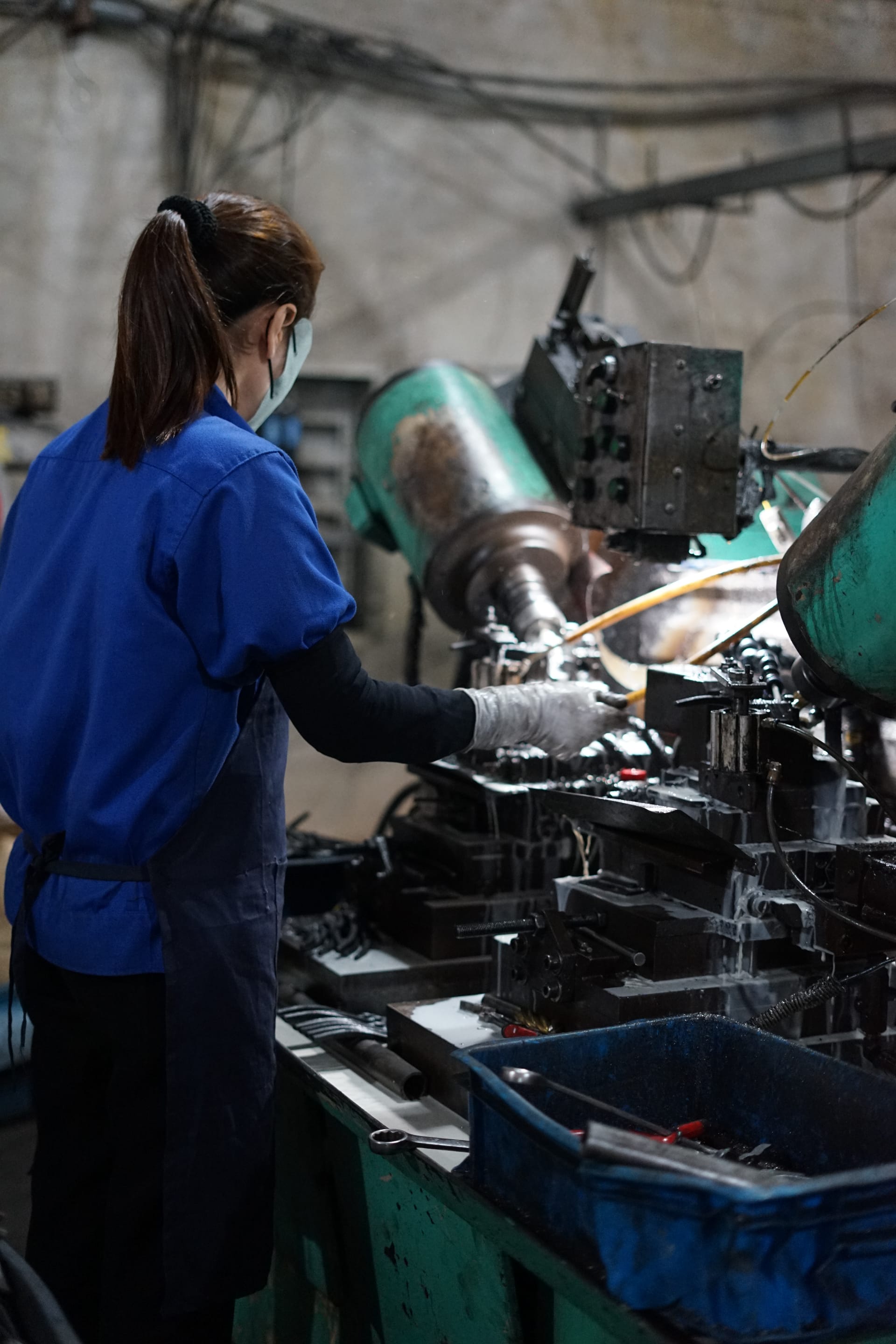
The cutting blade is beveled using alloy grinding wheels to achieve the proper thinness and profile. ANFAST168 fine-tunes the cutting angle separately for each plier type (copper cable cutting, hard steel cutting, or wire stripping) to optimize the user's hand force.
An excellent plier needs an extremely hard cutting blade to resist dulling when cutting steel, while the plier body must have enough ductility to avoid brittle fracture under strong bending force. ANFAST168's solution is localized heat treatment technology.
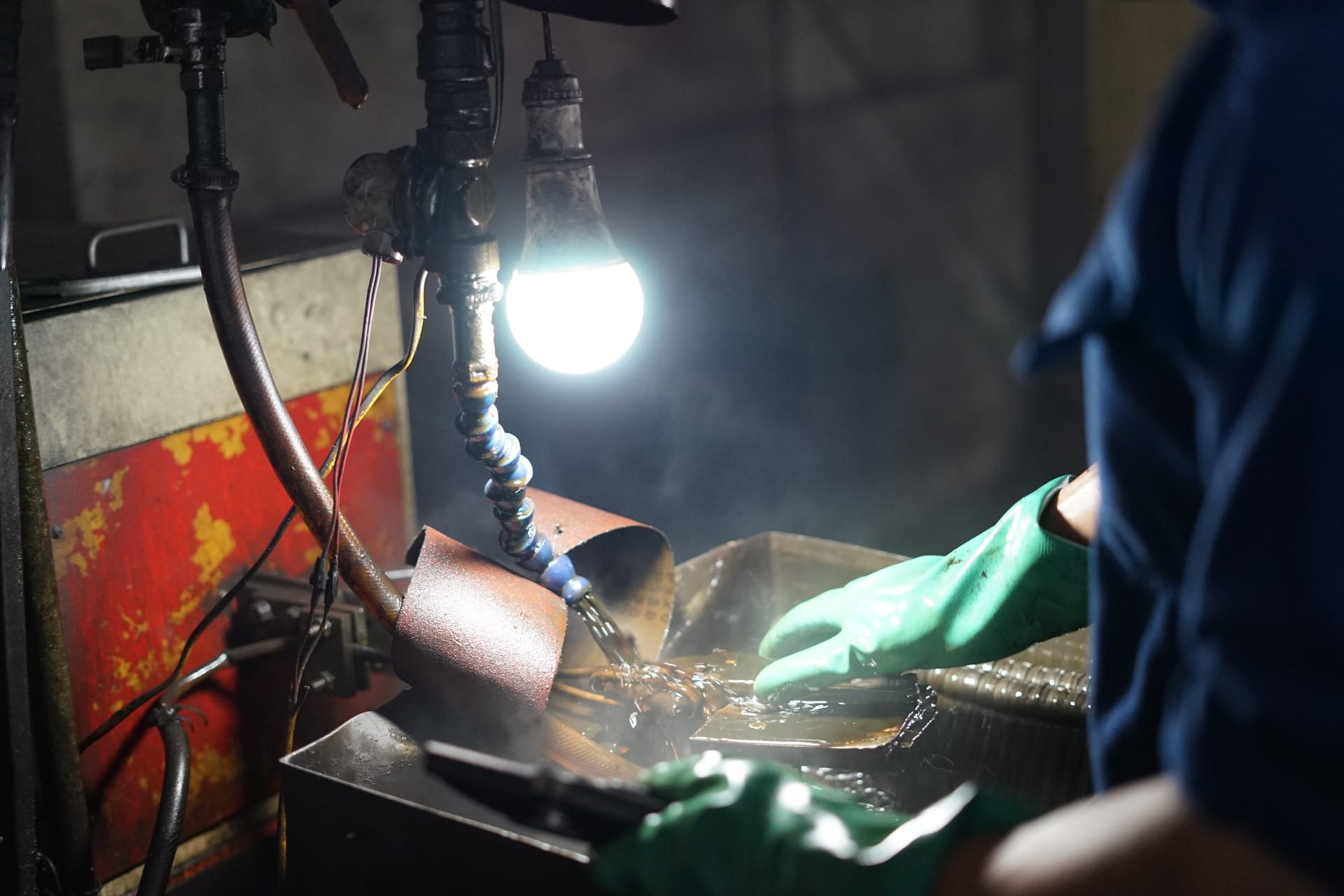
Only the cutting blade (or serrated jaw) is passed through a high-frequency electromagnetic induction coil to be heated red in seconds, then rapidly cooled. This process helps the cutting blade achieve extremely high standard HRC hardness, while the shaft and handle retain their original elastic mechanical properties.
The final step to complete the product is providing the best and safest grip experience for the user.
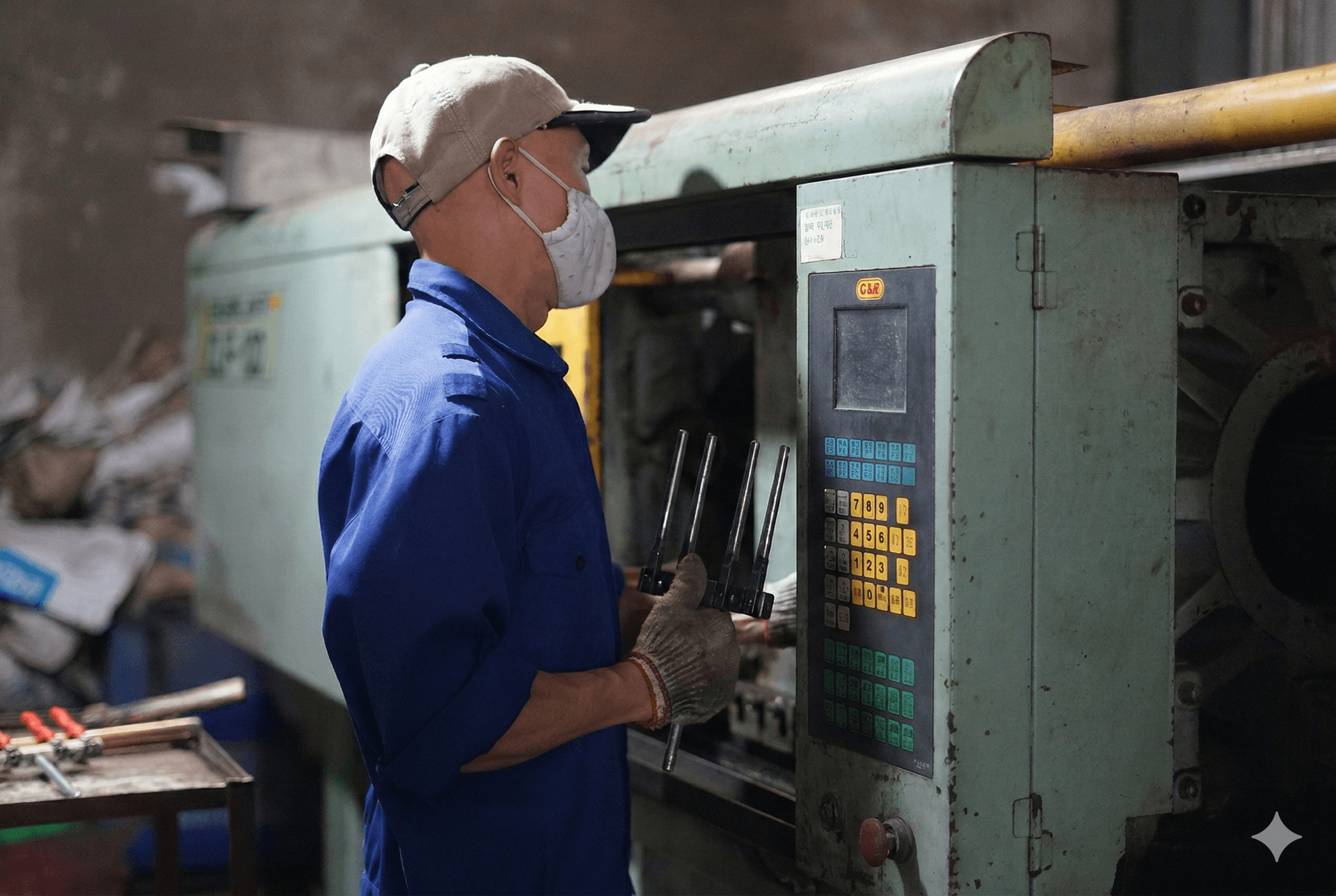
The metal plier body is placed into a plastic coating machine (or dipped in liquid PVC/TPR rubber). This coating not only provides electrical insulation and chemical resistance but is also ergonomically designed, helping workers grip comfortably, preventing slipping when sweating, and reducing fatigue during continuous work.
From rough steel blanks, through a series of hot forging, precision machining, and modern heat treatment processes, each ANFAST168 hand tool is born as a crystallization of technology and meticulousness. We are always ready to fulfill large-volume orders with consistent quality and the strictest standards.
Contact our engineering team for tailored manufacturing consultation.
Contact Us